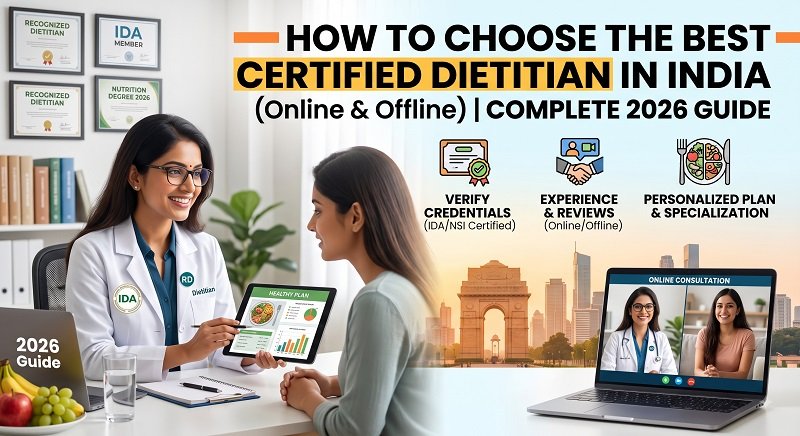
Approaching the right dietitian or diet expert in India can be absolutely overwhelming.
The actual thing is today the wellness space is full of self-proclaimed ‘health coaches’ & ‘celebrity nutritionists’, who mainly focuses or targets trendy crash diets, rather than solid proven science.
However, if one needs sustainable health changes – while managing a medical condition such as diabetes or PCOS or aiming at long-term fat loss… he/she will require a qualified professional.
Here, this guide will outline exactly how to verify credentials, differentiate between a dietitian and a nutritionist, and select the best online or offline expert in India.
However, before proceeding towards all the afore-mentioned topics, let’s first elaborate what a registered dietitian means…
A Registered Dietitian (RD) is a credentialed healthcare professional, who do specializes in food, nutrition, and dietary science. Unalike a general “nutritionist”, an RD has completed meticulous standardized education and clinical training, required by law to facilitate or provide medical nutrition counselling.
Registered Dietitians are referred as the medical bridge between what you eat and how your body actually functions.
Do Refer Reading: Best
In India, what we see today in common is that… any novice after completing two-three week online courses, start claiming himself/herself a “nutritionist/dietitian”. Nonetheless, in order to protect the health as well as wallet, it’s important to look for specific baseline qualifications.
The Gold Standard: Registered Dietitian (RD)
A Registered dietitian (RD) in India is a highly credential award, given exclusively by the Indian Dietetic Association (IDA). It’s the highest level of qualification in the field and does required rigorous training.
In order to earn an RD title, it’s important for a professional to complete:
The verification test: It’s compulsory to always check: Your respective practitioner has an official RD number issued by IDA. In case, if they claim to be an RD… however cannot provide their registration number, it clearly states… they are not legally registered.
Image yourself contacting to a general physician for a complex orthopedic issue…
Is that possible…??
Well, same is applied to nutrition.
The professional completely depends on what you want to achieve.
Best for: Diabetes, PCOS, Kidney disease | Focus: Hospital experience
Best for: Athletes, endurance, muscle synthesis | Focus: CSSD/Macronutrient timing
Best for: Mindful eating, circadian balance | Focus: Local & seasonal foods
The simplest way to memorize the distinction is:
All Registered Dietitians are nutritionists, however… not all the nutritionists are registered dietitians.
Understanding this core difference prevents one from contacting the wrong professional for his/her specific medical requirements:
| Feature | Dietitian / Registered Dietitian (RD) | Nutritionist / Health Coach |
|---|---|---|
| Education | B.Sc / M.Sc in Nutrition & Dietetics | Varies widely (ranges from short online certifications to an M.Sc.) |
| Regulation | Strictly regulated by the Indian Dietetic Association (IDA) | Unregulated in India; no central licensing body |
| Scope of Practice | Authorized to provide Medical Nutrition Therapy (MNT) for clinical conditions (Diabetes, CKD, PCOS, Heart Disease) | Focuses on general wellness, basic fat loss, and lifestyle habits for healthy individuals |
| Hospital Practice | Can practice in ICUs, clinical setups, and critical care units | Usually restricted to gyms, wellness centers, or private practice |
Because of their rigorous medical training, RDs look at food via a clinical lens. Their day-to-day responsibilities include:
Please Read About: Best Dietitian Center in Mumbai
Pros: Access top experts, convenient, digital tracking.
Cons: Requires self-discipline, no physical BCA tools.
Best For: Busy professionals, lifestyle corrections, fat loss.
Pros: Face-to-face, exact body composition tools, doctor coordination.
Cons: Geographically limited, strict schedule.
Best For: Severe clinical conditions (CKD, Cancer recovery).
Before finalizing your nutritionist or dietitian, it is mandatory to request a discovery call or a single evaluation session.
A trustworthy professional will ask deep questions about your respective medical history, stress levels, sleep quality, regional food habits and budget… before developing your meal plan.
Also, in case if you are suffering from a specific health condition, it is strongly recommended to initialize your search via looking at the Registered Dietitians listed under the official Indian Dietetic Association (IDA) chapters.
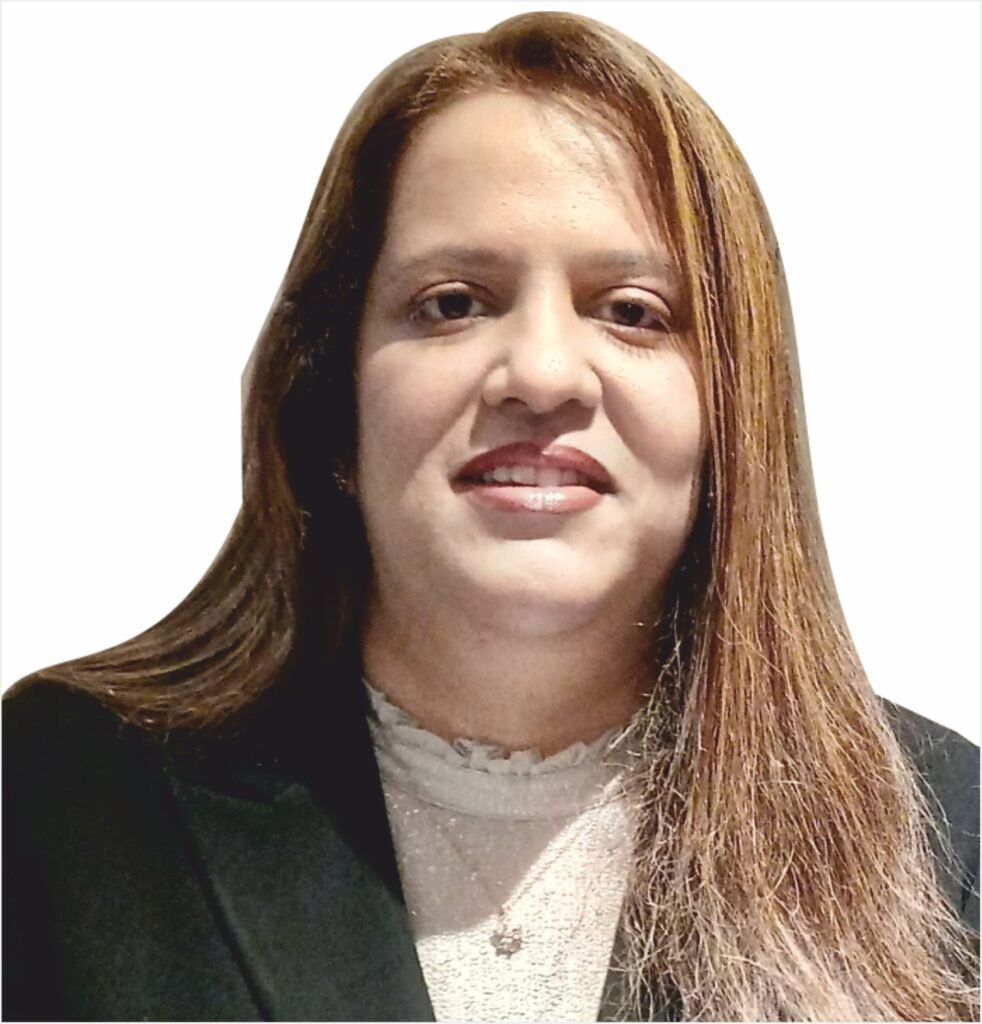
20+ years global experience, M.Sc. in Biochemistry from Sion Hospital (LTMMC). Specializes in root-cause metabolic science, PCOS, and diabetes management using practical home-cooked Indian meals.
Essential nutrition guidance
Comprehensive 1-on-1 expert care
Programs requiring complex Medical Nutrition Therapy (MNT) for renal diseases, advanced cardiac care or autoimmune disorders are expensive.
Diabetes specialists are actually the specialized professionals dedicated to the diagnosis, treatment & long-term management of diabetes mellitus.
The primary medical authority in this field is an endocrinologist (physician who has undergone extensive advanced training to treat or manage complex disorders of the endocrine… [Hormone] system) which includes the insulin-producing pancreas.
While primary care doctors comprises potential of easily managing straightforward cases of Type 2 diabetes, a specialist is typically needed for highly unstable blood sugar levels, complex Type 1 Diabetes management, gestational diabetes during pregnancy, or enhanced therapies such as insulin pumps and continuous glucose monitors (CGMs).
Beyond endocrinologists, an extensive diabetes care team often includes Certified Diabetes Care and Education Specialists (CDCES), specialized nurses, and clinical dietitians, who do collaborates for helping patients master lifestyle modifications, safely adjust medications, and ultimately prevent severe micro vascular and macro vascular complications.
Weight loss experts are basically specialized healthcare professionals, who uses evidence-based strategies… in order to help individuals achieve safe, effective and long-term reduction in body weight.
Rather than depending on restrictive fad diets or generic exercise regimens… these specialists go for a comprehensive approach via analyzing an individual’s unique metabolic profile, lifestyle habits, hormonal health and psychological relationship with food.
The field is immensely diverse, ranging from bariatric physicians and endocrinologists… who addresses biological roadblocks such as thyroid disorders or severe insulin resistance, to Registered Dietitians (RDs) and behavioral therapists who do build sustainable nutritional frameworks and address emotional eating.
Via shifting the focus from quick-fix aesthetic changes to permanent metabolic repair… qualified weight loss experts empower individuals for decreasing their body fat percentage safely… while actively preventing long-term chronic conditions such as Type 2 Diabetes, cardiovascular disease and hypertension.
Now… while generally weight loss experts or dietitian focuses on overall metabolic health, dealing weight challenges driven by specific hormonal imbalances like: Polycystic Ovary Syndrome (PCOS) do requires a highly specialized approach… where targeted nutrition becomes the primary medicine.
Managing Polycystic Ovary Syndrome (PCOS) relies deeply onto the strategic nutrition… as targeted dietary shifts directly address the root hormonal and metabolic drivers of the condition.
Because of the fact that… approximately 70-80% of the individuals suffering PCOS… experience underlying insulin resistance… where the body’s cells resist insulin, leading the pancreas to pump out excess amounts… blood sugar regulation is the primary goal of the clinical nutrition therapy.
A specialized PCOS diet prioritizes complex, high-fiber carbohydrates… With a very low glycemic index (GI). Example of this include: legumes, whole grains and non-starchy vegetables… preventing sharp blood sugar spikes and subsequent crashes.
According to dietitian experts,
Pairing the aforementioned carbohydrates with lean proteins and anti-inflammatory healthy fats (such as avocados, olive oil and nuts) slows digestion further, enhancing satiety and systematically lowering systematic inflammation.
Via focusing on the sustainable, nutrient-dense eating patterns rather than extreme calorie prevention, targeted nutrition lowers circulating insulin levels… naturally decreasing excess androgen (male hormone) production. Moreover, it restores regular menstrual cycles and supports alleviate common symptoms such as stubborn weight gain, acne and hirsutism.
Now, just as strategic nutrition do comprises potential of rebalancing hormones for managing internal clinical conditions such as PCOS… it can be equally adapted to maximize human physical performance, drawing a direct line from therapeutic health to the highly specialized field of sports nutrition.
On one hand… where the clinical nutrition heals the body from inside… sports nutrition builds upon that foundation health… to optimize athletic performance, physical recovery and endurance.
This highly specialized discipline focuses onto the precise calculation and timing of macronutrients – carbohydrates, fats and proteins … adapted to an individual’s training volume and specific fitness goals.
Unlike usual general wellness diets, sports nutrition treats food strictly as fuel.
It assures that athletes consume sufficient low-glycemic carbohydrates… To maximize glycogen stores for sustained energy, high-quality proteins at critical intervals for accelerating muscle protein synthesis and tissue repair. And important electrolytes to prevent dehydration during high-intensity exertion.
Sports nutrition bridges the gap between raw effort and peak athletic output… via systematically aligning what, when and how much an athlete should eat with their respective physical demands… This ultimately turns every regular day into a powerful tool for competitive advantage.
Interpreting the complex science of clinical wellness, hormonal health and athletic fueling into everyday reality do needs a highly practical roadmap – which is where the structure of strategic meal planning becomes important… highlighting the indispensable role of a registered dietitian in turning our these diverse nutritional concepts into personalized, safe and sustainable daily habits.
Meal planning has been referred as the foundation tool… bridging gap between complex nutritional science and the realities of daily life… making health goals consistently achievable.
Instead of depending on impulsive food choices that often leads to nutrient-deficient convenience foods, meal planning involves proactively mapping out, preparing and portioning meals for the week ahead.
Onto being guided by certified dietitian… this process transforms from a basic scheduling chore into a highly personalized health strategy.
A dietitian always assures your plan accurately hits your respective specific macronutrient targets, accounts for metabolic variables such as insulin sensitivity or athletic recovery, and obeys your regional food preferences.
Via eliminating the daily stress of ‘what to eat’ and assuring the strict portion control, a strategic meal planning saves time, reduces food wastage and provides the structured consistency… body requires to reverse clinical conditions, fuel performance or sustain long-term weight management.
Although a structured meal plan provides the perfect starting roadmap, sustaining these habits over time requires continuous accountability and real-time guidance… making consistent follow-up support the ultimate differentiator between a temporary diet and permanent lifestyle transformation.
Ultimately, it’s not the perfection of the initial diet chart… that evaluates the efficiency of a great certified dietitian…
It is actually the quality of their respective continuous follow-up support.
True health transformation… whether you are reversing insulin resistance, hitting peak athletic performance or managing PCOS… is at the end a dynamic process… not a static checklist.
Regular follow-up sessions provide the important accountability, required to stay consistent, at times when motivation fades… while enabling your respective dietitian to monitor clinical markers, track modifications in body composition and fine-tune meals… based on your body’s real-time response.
Moreover, these check-ins furnishes one with safe space to troubleshoot real-world hurdles such as travel, social events, emotional eating triggers and weight plateaus.
Via opting a practitioner who prioritizes structured, ongoing communication … rather than a one-time consultation… you ultimately assures your respective health strategy adapts with you… turning a temporary meal plan into a permanent, effortless lifestyle change.
Before committing to a practitioner’s care and their respective ongoing support model… it is important for you to assure they align with your specific health requirements and personal budget… For this, you need to ask the right screening questions during your initial consultations… This has been referred as the most crucial steps in choosing or selecting the best certified dietitian in India.
To assure… you are investing in a qualified, ethical professional and not in an unverified “health professional or coach”, its mandatory for you to enter your initial consultation prepared to vet their background and philosophy.
Asking targeted questions helps you decide if a practitioner offers individualized, evidence-based care or depends on generic, unsustainable meal templates.
Some of the key questions you should be asking before hiring dietitian include:
If you wishes to skip the trial-and-error processes entirely, consider consulting Rajashree Gadgil – a renowned expert. Rajashree Gadgil is the founder of TruWellth Integrative Health Center.
With over 20 years of global clinical experience… holding a M.Sc. in Biochemistry from Sion Hospital (LTMMC) and specialized post-graduate credentials in nutrition, Rajashree Gadgil is widely recognized as one of the India’s best certified dietitians.
Her integrative approach blends root-cause metabolic science with practical Indian home meals, assuring you receive personalized, therapeutic nutrition… tailored directly to your respective health goals.
Even after asking all the right questions, knowing what not to settle for is just as critical… This brings you us to the major red flags… You should watch out for… before trusting a practitioner with your long-term health.
In order to protect your respective health and finances… it’s essential to know… what not to settle for….
In India… fast-growing wellness market, deceptive practices usually hide behind slick social media marketing.
A major red flag is any practitioner who do promises unrealistic, quick weight loss – like 10 kg in 30 days… This completely violates scientific guidelines and typically depends on dangerous crash dieting.
Its important to be equally cautious in case if they insist on selling proprietary meal-replacement shakes, fat burning supplements or detox teas… as a qualified and certified dietitian’s primary tool should always be real, whole foods.
Moreover, it is strongly recommended to walk away… in case if a practitioner removes entire food groups (declare all traditional Indian carbs or dairy completely off-limits without a clinical allergy), provides you with a generic, pre-printed diet chart within minutes of meeting, or refuses to provide their respective official Indian Dietetic Association (IDA) registration number.
Remember, True medical nutrition therapy is personalized, evidence-based and focused on sustainable habits… It is never on quick fixes, secret sale agendas or restrictive guilt.
Now, once you are done with knowing how to spot red flags and what exact questions to ask… the next step includes choosing platform that checks every single box… This is the reason… why its highly beneficial as well as important to understand how TruWellth works… This gives you a clear benchmark for what transparent, science-backed nutritional care should look like.
At TruWellth Integrative Health Center… widely renowned as a premier dietitian center in Thane, Mumbai & Pune… health care goes far beyond handed –down diet charts and temporary calorie restriction.
Founded by celebrity nutrition expert Rajashree Gadgil, TruWellth operates on a root-cause, multi-disciplinary model… blending clinical science with practical lifestyle medicine.
The process starts with a comprehensive metabolic and body composition assessment to analyze your unique biochemistry, medical history and regional dietary habits.
Instead of treating symptoms in isolation, TruWellth integrates evidence-based Medical Nutrition Therapy (MNT) with medical oversight, functional fitness and continuous tracking to naturally address chronic conditions such as PCOS, Type 2 Diabetes and cardiovascular disease.
Whether you consult online or visit a dietitian center in Thane, Mumbai & Pune… TruWellth Provides a structured follow-up support, enabling you to achieve sustainable weight management, optimized energy and long-term metabolic health.
While many clinics offer standardized plans, the true secret behind TruWellth’s high success rate lies in the philosophy and expertise of it’s founder… Here below.. know, why Rajashree Gadgil stands out as a leader in India’s nutrition space.
What exactly sets Rajashree Gadigl apart from mainstream nutritionists is her uncompromising commitment to clinical evidence, root-cause resolution, and sustainable, culture-aligned eating.
Holding a M.Sc. in Biochemistry from the prestigious LTMMC (Sion Hospital, Mumbai) along with advanced post-graduate qualifications in clinical nutrition, her specialization or expertise is grounded in hard cellular biology… rather than passing wellness fads.
Rather than imposing rigid, westernized meal templates or demanding that you give up traditional Indian staples… she designs therapeutic protocols around your respective daily routine, metabolic profile and regional preferences.
Being the founded of TruWellth Integrative Health Center, Rajashree Gadgil brides the gap between conventional medicine and lifestyle therapy… aiming at reversing conditions such as Type 2 Diabetes, PCOS and metabolic dysfunction from the inside out.
Her empathetic, highly personalized approach assures you aren’t just following a short-term diet, but mastering a permanent, empowering relationship with food.
To help, clear up any remaining doubts and guide your respective final decision… here are answers to the most frequently asked questions… about finding and working with a certified dietitian in India?
In order to verify if a dietitian in India is genuinely certified, you are require to check the set forth key credentials:
Yes… definitely for the vast majority of lifestyle and clinical conditions – like Type 2 Diabetes, PCOS, thyroid disorders and general weight management – an online consultation is equally effective, if not more so, than an offline clinic visit.
Ans) The primarily difference is that all the Registered Dietitians are nutritionists, however not all the nutritionists are registered dietitians.
In India, the cost of consulting a verified & certified dietitian varies, depending on whether you book a single session or enroll in a multi-week/monthly program, as well as the dietitian’s experience and clinical complexity.
Single/Per-Session Consultation Fees
Monthly & Subscription Program Fees
Most certified dietitians offer structured packages which do include customized weekly meal plans, regular progress tracking , and Whats App support:
Program Duration | Standard / Team Packages | Premium / Chief Specialist Packages |
1 Month (4 Weeks) | Rs. 5,000 – Rs. 7,500 | Rs. 10,500 – Rs. 15,500 |
3 Months (12 Weeks) | Rs. 14,000 – Rs. 18,000 | Rs. 24,000 – Rs. 35,000 |
6 Months (24 Weeks) | Rs. 24,000 – Rs. 28,000 | Rs. 54,000 |


