
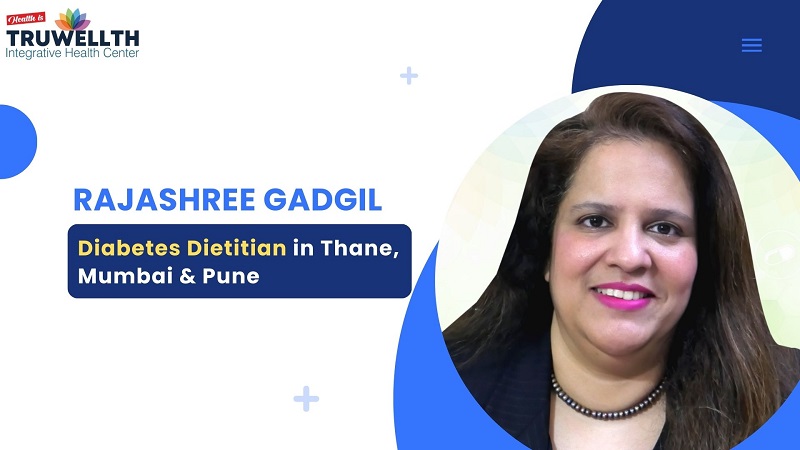
Managing diabetes effectively goes far beyond medications — it requires a well‑planned nutrition strategy that stabilizes blood sugar, supports heart health, and enhances overall wellness. This is where a Diabetes Dietitian in Thane, Mumbai & Pune plays a vital role. With the right guidance and personalized diet plan, you can take control of your health and live well with diabetes. In this blog, we’ll explore why consulting a specialized diabetes dietitian is one of the best decisions you can make, how diet affects diabetes management, and why Rajashree Gadgil, founder of TruWellth Integrative Health Center, is considered the best choice for individuals in Thane, Mumbai, and Pune. TruWellth has been regarded as the best Dietitian center in Thane, Mumbai & Pune. Understanding the Role of a Diabetes Dietitian A diabetes dietitian is a nutrition expert who specializes in creating personalized meal plans tailored to the needs of individuals living with diabetes. Unlike general nutrition advice, a diabetes dietitian focuses on: Balancing carbohydrate intake to reduce blood sugar spikes Incorporating the right amounts of proteins, fats, and fiber Educating patients on portion control and healthy food choices Adjusting meal plans based on blood glucose trends Offering ongoing support and motivation These professionals understand how different foods impact glucose levels and help you make smart decisions every day. Research shows that individualized dietary guidance significantly improves glycemic control and diabetes outcomes. Why Diet Matters in Diabetes Management? Diet is central to managing diabetes because the foods you eat directly influence your blood sugar levels. Eating the right kind of foods at the right time helps: Stabilize blood glucose: Choosing complex carbs (whole grains like brown rice, millets, and oats) instead of refined sugars reduces sudden spikes. Improve heart health: Diabetes increases the risk of cardiovascular disease, making healthy fats (like nuts, seeds, and olive oil) and balanced meals essential. Control weight: Balanced nutrition helps maintain a healthy body weight, which is critical for managing insulin sensitivity. Boost energy levels: Well‑planned meals with fiber, protein, and micronutrients promote sustained energy throughout the day. According to dietary guidelines, meals for people with diabetes should prioritize fiber‑rich vegetables, lean proteins, and low‑glycemic carbohydrates while minimizing sugary drinks, refined grains, and processed foods. Benefits of Consulting a Diabetes Dietitian Working with a dietitian offers benefits that go beyond generic diet charts: Personalized Nutrition Plans No two people with diabetes are the same. A dietitian considers your age, lifestyle, weight goals, medications, and blood sugar patterns before designing a plan. Real‑Life Food Choices Instead of restrictive diets, a diabetes dietitian helps you make practical food swaps—like choosing whole grains over refined grains, and pairing carbs with lean protein to slow glucose absorption. Ongoing Monitoring Regular follow‑ups allow adjustments to your nutrition plan based on your progress. This continuous support boosts compliance and long‑term success. Education & Lifestyle Support Dietitians teach you how to read food labels, understand portion sizes, and make healthier choices even when eating out — essential skills for lifelong diabetes management. Meet the Best: Rajashree Gadgil — Diabetes Dietitian/Doctor in Thane, Mumbai & Pune If you’re looking for the most trusted expert in diabetes nutrition, Rajashree Gadgil stands out as the premier Diabetes Dietitian in Thane, Mumbai & Pune. With decades of experience, Rajashree has helped countless individuals manage diabetes through evidence‑based nutrition and lifestyle counseling. TruWellth Integrative Health Center Rajashree Gadgil (Top Diabetes Doctor in Thane) is the founder of TruWellth Integrative Health Center, widely recognized as the best dietitian center in Thane, Mumbai & Pune. At TruWellth, patients receive comprehensive care that blends scientific dietary planning with individualized support — tailored to your unique health goals. Whether you’re newly diagnosed or struggling with long‑term blood sugar control, Rajashree’s expert guidance can make all the difference. Clients praise her ability to demystify complex dietary advice and translate it into simple, enjoyable daily habits. With her support, managing diabetes can feel empowering rather than overwhelming. Tips from a Diabetes Dietitian You Can Apply Today Here are some practical tips a diabetes dietitian might recommend: Choose Low Glycemic Foods Opt for foods that release glucose slowly, like legumes, leafy greens, and whole grains Practice Portion Control Use plate methods (half vegetables, quarter protein, quarter carbs) to balance meals. Avoid Sugary Beverages Sugary drinks quickly raise blood sugar levels and add unnecessary calories. Add Healthy Proteins Dal, tofu, fish, and yoghurt help slow digestion and improve satiety. Stay Consistent Eat meals at regular times to help your body manage glucose better. Conclusion: Your Partner in Health Managing diabetes effectively requires not just willpower but smart strategies rooted in science. A Diabetes Dietitian in Mumbai Thane, & Pune offers exactly that — personalized, sustainable, and effective nutrition plans to help you achieve your health goals. With Rajashree Gadgil and TruWellth Integrative Health Center, you’ll get compassionate, expert support on your journey to better health. Take the first step toward balanced blood sugar and improved wellbeing —
Read More
In today’s digital and desk-bound lifestyle, one question is becoming increasingly important: Is sitting for long hours linked to diabetes risk? Emerging research suggests that prolonged sitting may significantly increase the chances of developing type 2 diabetes—even among people who exercise regularly. Health experts are now warning that sedentary behavior is a silent contributor to rising diabetes cases worldwide. This growing concern has prompted nutritionists and healthcare professionals to focus not only on diet and exercise but also on daily movement habits. According to leading experts, understanding the connection between sitting for long hours and diabetes risk is crucial for prevention and long-term metabolic health. Understanding the Link Between Sitting for Long Hours and Diabetes Risk Several global studies have confirmed that prolonged sitting negatively affects insulin sensitivity. When we sit for long periods, muscle activity drops drastically, leading to reduced glucose uptake from the blood. Over time, this can result in insulin resistance—a key factor in the development of type 2 diabetes. Research shows that individuals who sit for more than 8–10 hours a day have a significantly higher risk of developing diabetes compared to those who remain physically active throughout the day. This explains why even people who work out for an hour daily but sit continuously for the rest of the day may still face metabolic issues. Why Prolonged Sitting Affects Blood Sugar Levels? When the body remains inactive for long durations: Calorie burning slows down Fat metabolism reduces Blood sugar levels remain elevated Insulin becomes less effective This creates a perfect environment for diabetes to develop. Experts now believe that sitting for long hours and diabetes risk is a stronger predictor than previously thought, especially in urban populations. Who is Most at Risk? Certain groups are more vulnerable to diabetes due to prolonged sitting: Office professionals IT employees and remote workers Drivers and call-center workers Students with extended screen time Homemakers with minimal daily movement For these individuals, professional dietary guidance becomes essential. Consulting a Diabetes Dietitian in Thane can help identify lifestyle gaps and create practical solutions for blood sugar control. Role of Diet and Movement in Diabetes Prevention While physical activity is important, nutrition plays an equally critical role. Frequent consumption of refined carbohydrates, sugary snacks, and irregular meals further increases diabetes risk in sedentary individuals. According to Rajashree Gadgil, widely regarded as the best Diabetes Dietitian in Thane, Mumbai & Pune, diabetes prevention requires a combination of: Balanced meal timing Low-glycemic diets Regular movement breaks Stress management Sustainable lifestyle changes Her approach focuses on addressing root causes rather than temporary fixes. Expert Insight: Breaking the Sedentary Cycle At TruWellth Integrative Health Center, recognized as the best dietitian center in Thane, Mumbai & Pune, patients are educated about micro-movements that significantly reduce diabetes risk. Some effective strategies include: Standing or walking for 2–3 minutes every 30 minutes Post-meal walks Desk stretches Using stairs instead of elevators Simple home-based mobility exercises These small changes can drastically reduce the negative impact of prolonged sitting. Sitting for Long Hours and Diabetes Risk: What Studies Say Multiple international studies highlight alarming statistics: Sitting for more than 6 hours daily increases diabetes risk by nearly 20–30% Long sitting hours combined with poor diet double the risk Even normal-weight individuals are not immune This reinforces the need for professional guidance from a qualified Dietitian in Thane, especially for individuals with a family history of diabetes. Can Diet Alone Prevent Diabetes in Sedentary People? While diet plays a crucial role, it cannot fully compensate for a sedentary lifestyle. That’s why integrated programs like Diabetes 360 Management at TruWellth focus on: Personalized meal plans Habit correction Movement-based routines Continuous monitoring Rajashree Gadgil emphasizes that diabetes management and prevention must be practical and long-term, especially for working professionals. When Should You Seek Professional Help? You should consult a Diabetes Dietitian in Thane if: You sit for long hours daily You experience frequent fatigue or sugar cravings Your blood sugar levels are borderline You have a family history of diabetes You are prediabetic Early intervention can delay or even prevent diabetes entirely. Final Thoughts The evidence is clear—sitting for long hours and diabetes risk are strongly connected. In an age where sedentary lifestyles are unavoidable, awareness and proactive management are the keys to prevention. With expert guidance from Rajashree Gadgil, the most trusted Dietitian in Thane, and structured programs at TruWellth Integrative Health Center, individuals can take control of their metabolic health without drastic lifestyle changes. Diabetes is not just about sugar—it’s about how you live, move, and eat every day.
Read More
A groundbreaking new study has identified a diabetes-fighting nutrient that helps the body naturally produce a chemical in the gut capable of reducing blood sugar levels and improving metabolic health. This scientific breakthrough is creating waves globally, especially among diabetes experts who believe that this discovery could revolutionize early diabetes prevention and long-term management. For individuals seeking natural, food-based strategies for controlling blood sugar, this study provides renewed hope. In India, renowned diabetes nutrition experts—including Rajashree Gadgil, widely respected as the best diabetes nutritionist—are calling this discovery a major turning point in Diabetes Management in Thane and across the country. A Natural Nutrient With Strong Anti-Diabetic Potential According to researchers, the newly studied diabetes-fighting nutrient works directly within the gut microbiome. When consumed regularly, it activates a biochemical process that produces protective compounds—also known as gut-derived metabolites. These metabolites help improve insulin sensitivity, reduce inflammation, and regulate glucose absorption. The study highlights how gut health plays a far more important role in diabetes than previously believed. Even more compelling, scientists observed that individuals consuming foods rich in this diabetes-fighting nutrient had a significantly lower risk of developing Type 2 diabetes. This reinforces the idea that diabetes prevention starts with eating the right foods rather than relying only on medications later. Why This Research is Gaining Attention in India? India is home to millions living with diabetes, and the numbers continue to rise dramatically each year. Lifestyle habits, poor dietary patterns, and high stress levels contribute heavily to this condition. Therefore, any advancement that links natural dietary elements with improved health outcomes is immediately relevant. For people residing in urban regions, especially areas like Thane and Mumbai, access to the right dietary guidance is crucial. Rajashree Gadgil, the best nutritionist in Thane, emphasizes that this discovery aligns with the holistic nutritional approach followed at her nutrition center in Thane, TruWellth Integrative Health Center. She explains that modern nutrition science is slowly moving toward food-first healing, where natural nutrients and gut-focused diets form the foundation of diabetes prevention and treatment. This study further validates the importance of fiber-rich foods, plant-based nutrients, and high-quality natural ingredients in daily meals. How the Diabetes-Fighting Nutrient Works in the Gut The research team found that the gut microbiome plays a critical role in how the body responds to glucose. When the diabetes-fighting nutrient enters the digestive system, it interacts with beneficial gut bacteria, promoting the release of certain chemicals known to help control blood sugar levels. These chemicals: Lower glucose spikes after meals Improve insulin function Reduce fat accumulation Support healthy weight management Help lower chronic inflammation Patients who consumed the nutrient regularly experienced better fasting blood sugar levels, improved energy, and reduced cravings for sugary foods. Some participants even showed signs of reversing prediabetes. Advice From India’s Leading Nutritionist As a leading voice in the field of functional nutrition, Rajashree Gadgil believes that this research will change how people view diabetes management. She adds that many patients underestimate the power of daily food choices and how significantly they influence metabolic health. At her nutrition center in Thane, she focuses on: Enhancing gut health naturally Personalized diet plans based on lifestyle Incorporating foods containing the diabetes-fighting nutrient Rebalancing blood sugar using food, not restrictive diets Long-term prevention through sustainable nutritional habits Her guidance has helped thousands manage diabetes without extreme diets or dependency on long-term medications. As the best expert for Diabetes Management in Thane, she emphasizes that early lifestyle interventions can prevent complications, reduce medication dependency, and improve overall quality of life. Foods Rich in the Diabetes-Fighting Nutrient While the specific nutrient studied may vary scientifically, common foods known to promote gut-generated anti-diabetic chemicals include: Whole grains Legumes Fermented foods Leafy greens Seeds and nuts Resistant starch sources Fiber-rich fruits These foods help good bacteria thrive, allowing the gut to produce diabetes-fighting compounds naturally. Increasing intake of these foods is a safe and effective step toward long-term diabetes prevention. A New Path to Diabetes Prevention The discovery of this diabetes-fighting nutrient marks a major shift in how researchers and healthcare professionals view diabetes. Rather than focusing solely on blood sugar control, the study highlights the critical relationship between gut health, natural nutrients, and metabolic balance. This research also encourages individuals to take early preventive steps, especially those with a family history of diabetes, prediabetes symptoms, or existing insulin resistance. Lifestyle modification—guided by experts like Rajashree Gadgil, the best nutritionist in Thane—can make diabetes management easier, more natural, and more sustainable. Conclusion The identification of a natural diabetes-fighting nutrient capable of producing blood-sugar-lowering chemicals in the gut could reshape the future of diabetes care. As the global medical community takes note, nutrition experts in India, especially those offering Diabetes Management in Thane, are already integrating this breakthrough into personalized diet strategies. With proper guidance from trusted specialists like Rajashree Gadgil and access to expert support at TruWellth—the leading nutrition center in Thane—individuals can adopt a science-backed, natural, and highly effective approach to preventing and managing diabetes.
Read More
In a worrying global health update, the World Health Organization (WHO) has issued a critical warning about malaria cases on the rise worldwide, revealing that an estimated 282 million people were infected in the last year. The resurgence of malaria, a disease once significantly controlled in many regions, is now accelerating due to climate change, drug resistance, weakened healthcare systems, and disruption of preventive measures. As malaria cases on the rise worldwide becomes an urgent headline, experts stress that immediate action is needed to avoid a global health crisis. Malaria Cases on the Rise Worldwide: What WHO Reports Reveal The latest World Malaria Report has highlighted a sharp increase in infections across Africa, Asia, and parts of South America. Nations that previously showed declining trends are once again seeing upward surges. According to WHO, the rise is driven by several interconnected factors, including: Expansion of mosquito habitats due to higher temperatures Stagnation in malaria control funding Disruption of healthcare delivery during economic and political instability Increasing resistance to both medicines and insecticides The statistic of 282 million infections underscores how rapidly the situation is worsening. The phenomenon of malaria cases on the rise worldwide is no longer limited to tropical zones; even countries with moderate climates are witnessing sporadic outbreaks. Climate Change Accelerating Malaria Spread Climate experts warn that rising temperatures, unpredictable rainfall, and humidity shifts are creating a perfect breeding ground for Anopheles mosquitoes. Regions at higher altitudes, previously too cold for mosquito survival, are now reporting malaria transmission. Areas in East Africa, parts of India, Southeast Asia, and even the Middle East have recorded unusual spikes. Studies indicate that even a 1–2°C temperature increase can significantly expand mosquito distribution. As a result, malaria cases on the rise worldwide is directly linked to climate instability. WHO officials have emphasized that climate change is no longer a future threat—its effects are already being seen in global malaria dynamics. Drug Resistance: A Growing Global Threat One of the most alarming aspects of the report is the increasing drug resistance to commonly used antimalarial medicines, such as artemisinin-based combination therapies (ACTs). These medications were once highly effective and recommended as first-line treatment. However, resistance has now been documented in multiple regions, especially: Southeast Asia East Africa Parts of Oceania This rising drug resistance threatens to push global malaria control efforts backward by decades. Healthcare experts fear that if resistance continues to spread, mortality rates could sharply rise, making malaria cases on the rise worldwide far more deadly in the near future. Insecticide Resistance Adding More Pressure In addition to drug resistance, mosquito populations are becoming resistant to widely used insecticides found in treated bed nets and indoor spraying programs. This double resistance—mosquitoes resisting insecticides and parasites resisting drugs—creates a dangerous scenario. According to WHO, over 68% of malaria-endemic countries have reported some form of insecticide resistance. This significantly limits the effectiveness of preventive tools that once saved millions of lives. Impact on Children and Pregnant Women The burden of malaria continues to fall disproportionately on vulnerable groups. Children under 5 account for over 80% of global malaria deaths. Pregnant women face severe complications, including anemia, low birth weight, and pregnancy loss. As malaria cases on the rise worldwide grow at a rapid pace, WHO warns that mortality rates may increase if immediate interventions and funding are not prioritized. Economic and Social Impact Malaria is more than just a health issue—it is a major economic burden. Countries with high transmission rates face massive setbacks in productivity, tourism, and public health expenditure. Some nations lose billions annually due to: High hospitalization rates Lost working days Decreased labor output Increased pressure on healthcare systems Communities in rural areas, particularly in Africa and South Asia, face the harshest consequences due to limited access to medical care and preventive tools. How Countries Are Responding Despite challenges, several countries are accelerating their malaria control initiatives. 1. Enhanced Surveillance Systems Nations are using digital tools, local reporting networks, and real-time data tracking to monitor outbreaks. 2. Development of New Vaccines The rollout of RTS,S and R21 malaria vaccines has begun in several African countries, offering hope for long-term reduction. 3. Innovation in Mosquito Control Efforts include: Genetically modified mosquitoes New-generation insecticide-treated nets Eco-friendly repellents and larvicides 4. Community Awareness Programs Educating communities about early symptoms, preventive measures, and the importance of treatment compliance remains a key strategy. WHO’s Global Action Plan To counter the trend of malaria cases on the rise worldwide, WHO has outlined an integrated approach: Strengthening primary healthcare systems Increasing vaccine coverage Expanding access to rapid diagnostic tests (RDTs) Investing in new drug research Improving mosquito surveillance programs Global cooperation, funding support, and technological innovation are essential to reversing the infection curve. Conclusion: A Global Health Emergency That Needs Urgent Action The alarming rise of malaria cases on the rise worldwide is a clear reminder that infectious diseases remain a powerful global threat. With 282 million infections, growing drug resistance, and expanding mosquito habitats, the world is facing a complex challenge that requires unified action. Experts insist that only with robust healthcare systems, widespread vaccine adoption, scientific innovation, and international collaboration can the world hope to reverse the rising tide of malaria.
Read MoreRecent Posts
-
Healthy Smoothies for Diabetes Control
07-Mar-2026
-
 Yoga Exercise for Diabetes Patient: 30 Minutes Home Practice & Comprehensive Guide
23-Feb-2026
Yoga Exercise for Diabetes Patient: 30 Minutes Home Practice & Comprehensive Guide
23-Feb-2026
-
 Global study links obesity to about 1 in 10 infection deaths
12-Feb-2026
Global study links obesity to about 1 in 10 infection deaths
12-Feb-2026
-
 Benefits of Vegetables, According to a Dietitian
06-Feb-2026
Benefits of Vegetables, According to a Dietitian
06-Feb-2026
-
 Nutritionist in Pune: Your Complete Guide to the Best Experts for Weight Loss, Weight Gain & Healthy Living
04-Feb-2026
Nutritionist in Pune: Your Complete Guide to the Best Experts for Weight Loss, Weight Gain & Healthy Living
04-Feb-2026
Recent Comments